/ Our process

The system is designed before a single device is ordered.

Every engagement starts with an architectural assessment of your home. We understand what you need to run reliably before recommending anything.
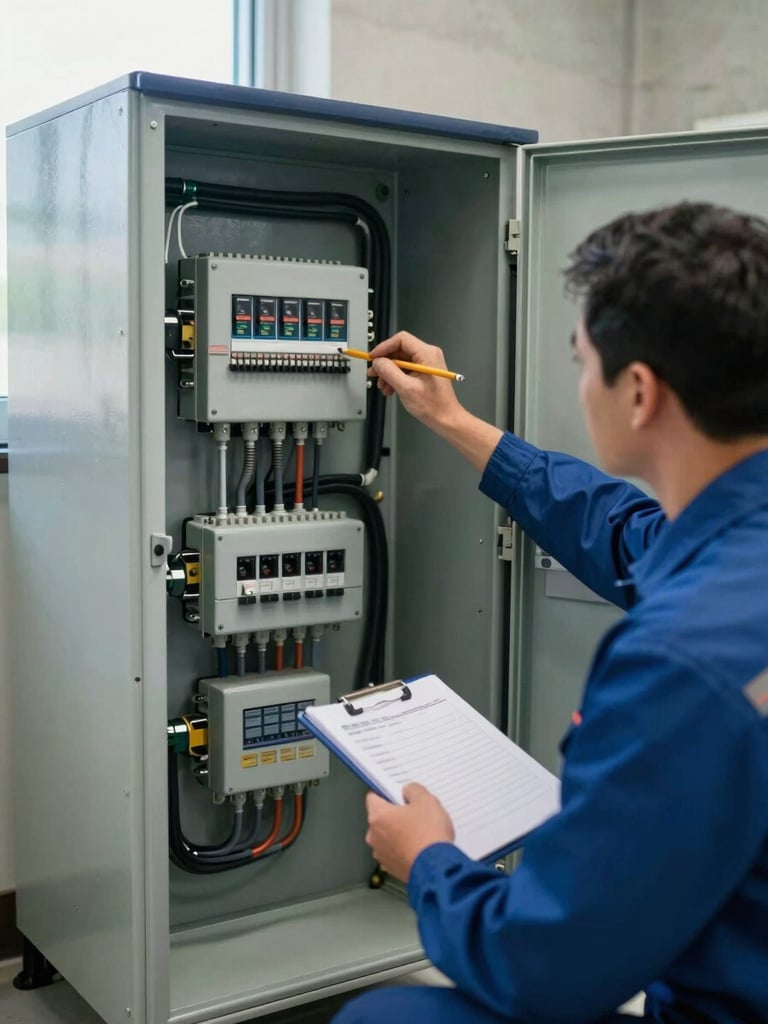
Over-the-shoulder view of a technician kneeling beside an open electrical panel, tracing conduit runs with a pencil and notepad, natural window light from the left, concrete wall in background, no staging
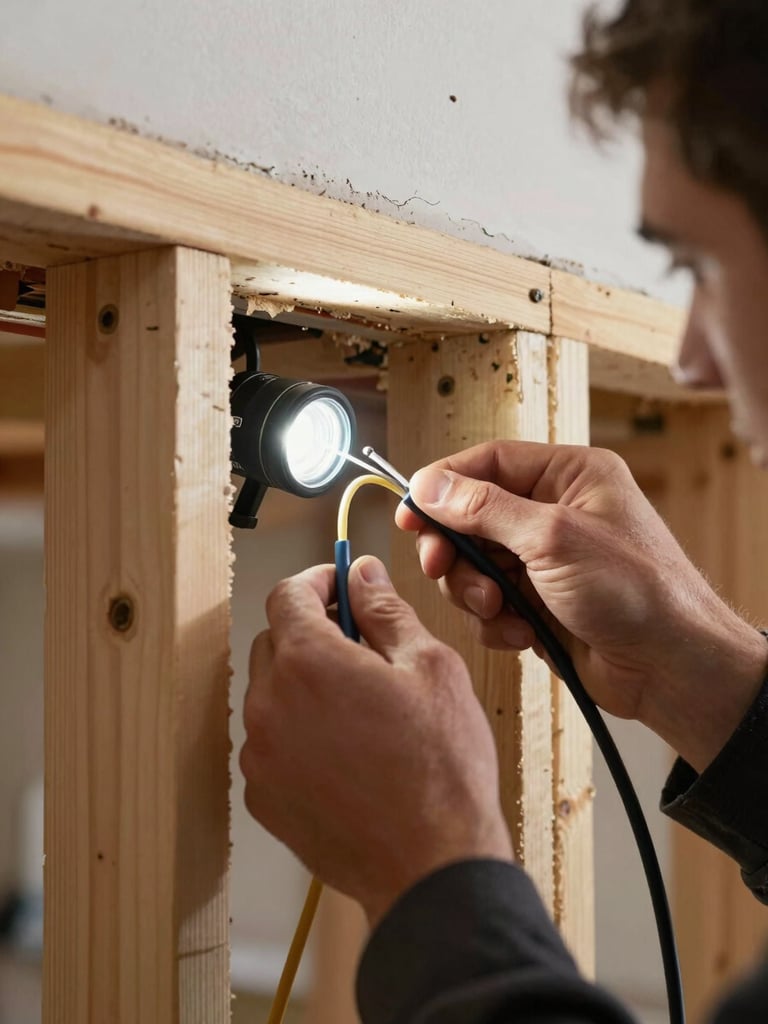
Close-up of a technician's hands routing low-voltage cable through a wall cavity, a work light illuminating rough framing, natural wood studs visible, no polish or staging
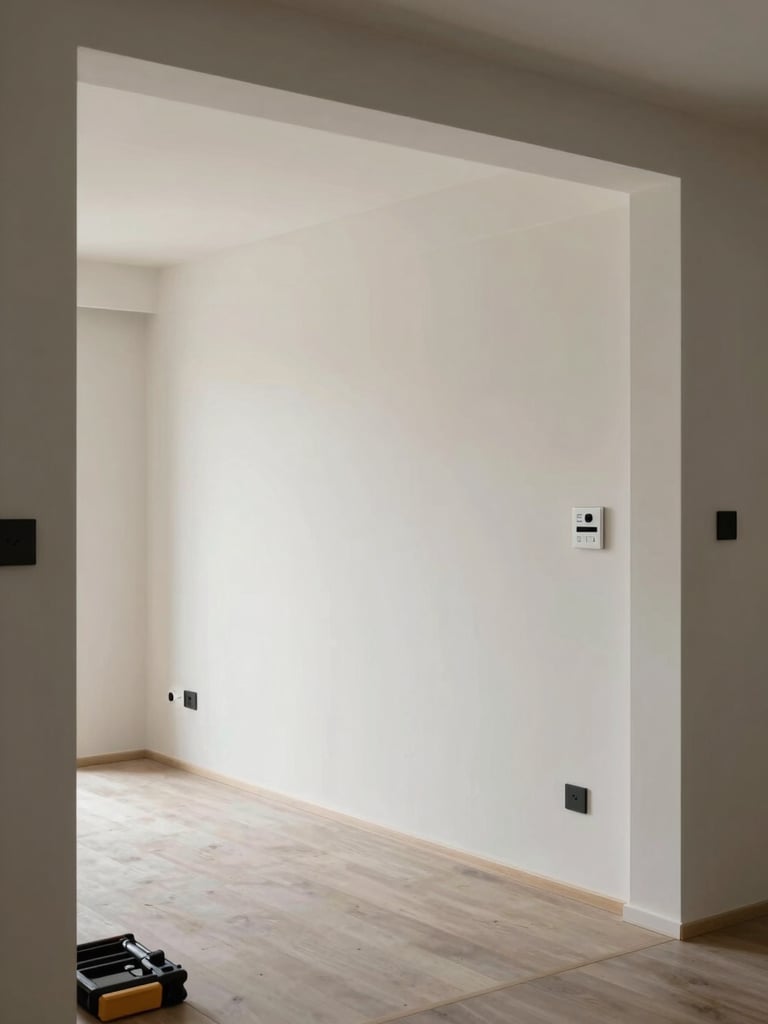
Wide shot of a finished living room from a doorway, integrated keypads and speakers visible but unobtrusive on the walls, work lights and tools still present in the foreground, functional not staged
— Phase one

Assessment: your home, not a catalog

We walk the property, map existing wiring, and document how the spaces are actually used. No spec sheet gets opened until we understand the infrastructure.

— Phase two

Installation: infrastructure first

Cabling, mounting, and network architecture are done before any device is powered on. The backbone has to be right before anything on top of it matters.

— Phase three

Handoff: you leave knowing how it works

Before we pack up, we walk you through every system—controls, overrides, and what to do if something behaves unexpectedly. You run your home; we explain it clearly.

After the install

Troubleshooting is part of the job, not an add-on.

When something stops behaving as expected, we pick up the call. No ticketing system, no dispatch queue—you reach the person who did the work.